

Beneath every lawn, driveway, and foundation lies a network of systems you rarely think about until something goes wrong. Water lines, septic systems, drainage fields, and underground utilities quietly do their jobs year after year, but seasonal changes in temperature and moisture put real stress on them. A little proactive attention each season can save you from expensive emergency repairs and prevent small issues from turning into major property damage. This checklist walks through the hidden systems worth inspecting as the seasons turn, so you can catch problems early and keep everything running smoothly.
Inspect Your Underground Water Supply Lines Each Spring
As frost thaws and soil shifts in early spring, buried water supply lines can crack, loosen at joints, or develop slow leaks that aren’t immediately visible. Watch for soggy patches in the yard, unexplained spikes in your water bill, or a sudden drop in water pressure inside the house. These are classic signs that a line has been compromised somewhere underground, often in a spot that’s difficult to reach without digging.
If you notice any of these warning signs, it’s worth calling a licensed plumber before the problem worsens, since small leaks tend to accelerate once the ground softens and shifts further. A professional can use camera inspection tools to pinpoint the exact location of a leak without tearing up your entire yard. Catching this early also protects your foundation, since persistent moisture around a slab can lead to cracking or settling over time.
Test and Adjust Your Underground Sprinkler System Before Summer
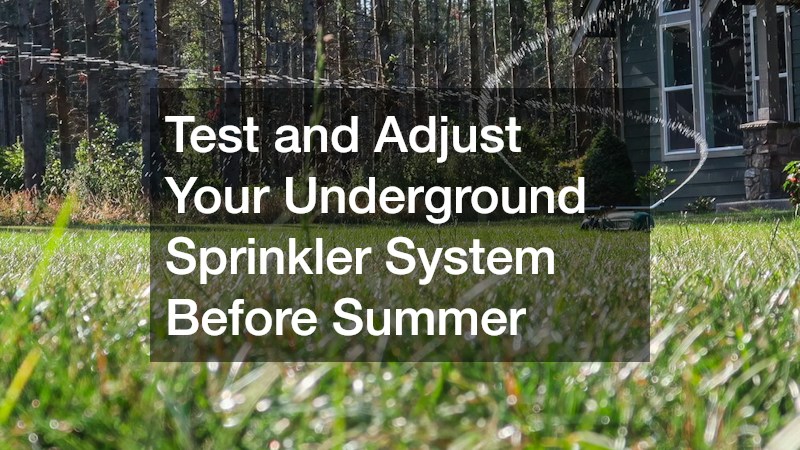
Underground irrigation lines are especially vulnerable to seasonal shifts, since freezing temperatures can crack pipes, loosen fittings, and dislodge sprinkler heads buried just below the surface. Even a hairline crack can waste hundreds of gallons of water over a season while leaving parts of your lawn dry. Before the growing season ramps up, run a full test cycle on each zone and watch closely for warning signs. Look for uneven water pressure, pooling water or soggy patches, sprinkler heads that are tilted or sunken, and zones that aren’t activating properly. A hissing sound near a valve box or an unexplained spike in your water bill can also point to an underground leak that isn’t immediately visible. While you’re testing, check that each head’s spray pattern still matches its intended coverage area, since shifting soil can angle heads toward sidewalks or driveways instead of your grass. It’s also worth inspecting the backflow preventer and controller settings, since a reset timer or dead battery from winter can leave zones running at the wrong times or not at all. Catching a broken line, clogged nozzle, or misaligned head in spring prevents wasted water and patchy, dying grass later in the summer. Taking twenty minutes now to walk the yard during a full cycle is far cheaper than repairing a washed-out flower bed or replacing dead sod in July.
- Walk the entire yard zone by zone while the system runs, checking for leaks, pooling water, or spray patterns that don’t reach their intended area
- Check that sprinkler heads sit flush with the soil — not sunken, tilted, or blocked by overgrown grass or mulch buildup
- Confirm the timer kept its programming through winter and reset the schedule for spring watering needs (typically less frequent than summer)
- Test the rain sensor by holding it under water or covering it to ensure it still halts the cycle automatically
- Look for unusually soggy spots or areas of unexplained green growth, which can signal a cracked line underground
- Clean or replace clogged nozzles with a nozzle brush or vinegar soak to restore even water pressure across all zones
- Check water pressure at a few heads with a gauge — most residential systems run best between 30 and 50 PSI
- Inspect exposed valves and backflow preventers for cracks or mineral buildup before the system sees heavy summer use
Schedule a Cooling System Tune-Up Before Peak Heat Arrives

While not technically buried underground, your outdoor cooling unit and its connected refrigerant lines often run along or beneath the foundation, making them part of the same seasonal maintenance conversation. A unit that’s been sitting idle through fall and winter can accumulate debris, loose connections, or refrigerant leaks that won’t become obvious until the first heat wave hits. Scheduling air conditioning repair or a tune-up in late spring ensures small issues are caught before they cause a full system breakdown during peak summer demand.
A pre-season inspection typically includes checking refrigerant levels, cleaning coils, and testing electrical connections that may have corroded over the winter months. This is also a good time to clear away mulch, leaves, or landscaping growth that may have crept too close to the outdoor unit. Addressing these details early helps the system run efficiently and can extend its overall lifespan by several years.
Check Fence Lines and Property Boundaries for Ground Shift
Fences anchored into the ground are directly affected by freeze-thaw cycles, especially in regions where the soil expands and contracts significantly between seasons. Posts can heave upward, lean, or loosen in their concrete footings, compromising both stability and appearance. Durable materials tend to handle these shifts better than others, which is one reason many homeowners choose vinyl fences when replacing older wood or chain-link options that warp more easily.
Walk your property line each spring and fall to look for leaning sections, gaps at the base of posts, or panels that have separated from their frames. Addressing minor shifting early prevents a full section from toppling during a storm or heavy wind event. If you share a fence line with a neighbor, it’s also a good time to confirm there’s no dispute over placement before any repair work begins.
Evaluate Your Sewer Lateral Line for Root Intrusion and Blockages
The sewer lateral is the pipe connecting your home’s plumbing to the municipal sewer main, and it runs entirely underground, often beneath mature trees with aggressive root systems. Seasonal changes in soil moisture can cause tree roots to seek out tiny cracks in aging pipes, leading to slow drains, gurgling toilets, or sewage backups that seem to appear out of nowhere. These issues tend to worsen in spring and fall when root growth is most active.
If your home is more than 30 years old or you’ve noticed recurring drain slowdowns, it may be time to consider sewer lateral repair before a full backup forces an emergency fix. Trenchless repair methods now allow much of this work to be done without excavating your entire yard. Getting a camera inspection every few years can catch root intrusion early, long before it becomes a costly plumbing emergency.
Clear Debris From Major Yard and Renovation Projects Responsibly
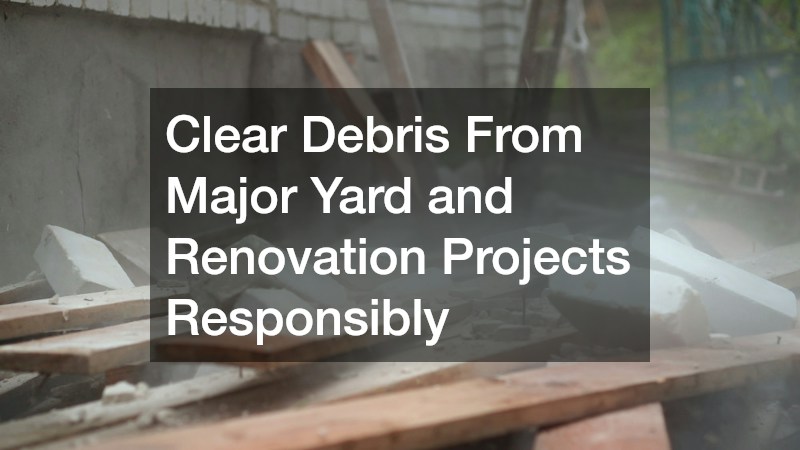
Seasonal yard cleanups, fence replacements, or drainage improvements often generate far more waste than a regular trash pickup can handle. Branches, old fencing material, broken concrete, and leftover soil all need a proper disposal plan, especially if you’re tackling a larger project across a weekend. Before you start digging or demolishing, it’s also worth confirming where buried utility lines run, since a lot of this waste gets generated right in the areas where pipes, cables, and septic components sit just below the surface. The volume adds up quickly: a single fence replacement can leave behind hundreds of pounds of wood or chain-link, while a drainage overhaul might produce several cubic yards of excavated soil and broken pipe. A 10 or 15-yard dumpster rental typically covers a mid-sized project like this, while larger renovations involving concrete removal or multiple yard zones may call for a 20 or 30-yard container. Renting a dumpster for the duration of the work keeps debris contained, protects your lawn from repeated truck traffic, and makes cleanup significantly faster once the project wraps up. It also helps you sort waste properly, since many haulers charge extra for mixed loads that combine yard debris with concrete, soil, or treated lumber. Separating heavier materials like concrete and dirt from organic debris not only avoids surprise fees but can also open up recycling options that a standard trash service simply doesn’t offer.
- Choose a size based on the scope of the project, not just the immediate mess — a 10-yard container suits small cleanouts, while major renovations or landscaping overhauls often need 20 or 30 yards
- Confirm what materials are accepted, since some debris types require special handling — concrete, dirt, and roofing shingles are often billed by weight or need a dedicated container
- Keep underground utility lines in mind before placement, since heavy containers can stress buried pipes, cables, or septic systems if positioned incorrectly
- Place the container on a stable, accessible surface to avoid damaging your driveway, using plywood boards underneath as an extra buffer against cracking or staining
- Leave enough clearance for delivery and pickup trucks, since tight driveways or overhanging trees can delay service
- Schedule pickup promptly once the project is finished to avoid extra rental fees, which can add up quickly on a per-day basis after the agreed rental period ends
Maintain Your Septic System to Prevent Seasonal Backups
Homes not connected to municipal sewer service rely on a septic tank buried in the yard, and seasonal maintenance here is critical to avoiding a messy, expensive failure. Heavy spring rains can saturate the drain field, reducing its ability to absorb wastewater properly, while summer droughts can cause the soil to compact and shift around buried components. Pumping the tank every three to five years, depending on household size, keeps solids from building up and overwhelming the system.
Avoid planting trees too close to the tank or drain field, since root systems are notorious for finding and infiltrating even small cracks in aging tanks. Keep heavy vehicles and equipment off the drain field area entirely, as compacted soil reduces its drainage capacity significantly. Watching for slow drains, soggy patches over the field, or sewage odor in the yard can help you catch a failing system before it requires a full replacement.
Consider Water Quality Testing and Filtration Upgrades Annually

Groundwater quality can shift seasonally due to runoff, fertilizer use, and changes in the water table, which means the water coming into your home might not be as clean as it was last year. An annual test for hardness, bacteria, and sediment gives you a clear picture of what’s actually flowing through your pipes. If results show elevated mineral content or contaminants, working with a water filtration system installer can help you choose the right setup for your specific water profile rather than a generic one-size-fits-all unit.
Filtration needs often differ significantly between homes on well water and those on municipal supply, so it’s worth understanding your specific source before investing in equipment. Some households only need a simple sediment filter, while others benefit from a full whole-house system addressing hardness and odor. Testing annually ensures your system is actually matched to current water conditions rather than conditions from several years ago.
Repair Driveway and Parking Surface Cracks Before Winter Sets In
Asphalt surfaces are particularly vulnerable to the freeze-thaw cycle, since water seeps into small surface cracks, freezes, expands, and widens the damage over time. Left unaddressed, a minor crack can turn into a significant pothole within a single winter season. Scheduling asphalt parking lot repair or driveway patching in early fall, before temperatures drop consistently, allows sealants and patch materials to cure properly before freezing weather arrives.
Beyond cracks, keep an eye out for pooling water after rainstorms, which often signals a drainage or grading issue beneath the surface rather than just a surface-level problem. Addressing drainage early prevents water from undermining the base layer, which is a far more expensive repair than resealing a few cracks. Regular sealcoating every two to three years also extends the life of the surface considerably.
Explore Clear Span Structures for Additional Seasonal Storage Needs
As homeowners accumulate more lawn equipment, seasonal decorations, and recreational gear, finding adequate covered storage becomes an ongoing challenge. Clear span buildings offer an open-interior design without internal support columns, making them a practical option for storing larger equipment, vehicles, or seasonal inventory without obstruction. These structures can often be installed faster than traditional builds, since they typically arrive as pre-engineered kits suited to a range of property sizes.
Before committing to one, check local zoning requirements and confirm whether a permit is needed based on the structure’s footprint and intended use. Consider how the building’s foundation will interact with the surrounding grade, since poor drainage planning around a new structure can lead to pooling water or soil erosion near the base. Mapping out placement carefully upfront, including how rainwater will shed away from the building, avoids costly repairs later.
Staying ahead of seasonal wear on the systems hidden beneath your property doesn’t require a complete overhaul of your routine, just a consistent habit of checking the right things at the right times. Walk your property each spring and fall, keep an eye out for the warning signs outlined above, and address small issues before they become expensive emergencies. When a project is beyond a simple DIY fix, bringing in the right specialist early will almost always save you time and money in the long run.