
A backyard deck promises summer dinners, quiet mornings with coffee, and a boost to your home’s resale value, but the sticker price you see in a contractor’s initial estimate rarely tells the whole story. Many homeowners budget for lumber and labor, then get blindsided by site prep, permits, or drainage issues that surface once the project is already underway. Understanding where these hidden costs come from before you break ground can save you thousands of dollars and weeks of frustration. This guide walks through the most common budget-busters so you can plan realistically and avoid unpleasant surprises.
Site Preparation and Grading Surprises
Before a single board goes down, your yard often needs grading, leveling, or old structure removal, and these steps rarely appear in a basic deck build quote. Contractors typically price the build itself — posts, framing, decking — assuming the ground underneath is already cooperative. When it isn’t, that assumption falls apart fast. Sloped lots, buried rocks, or poor soil drainage can turn a simple weekend job into a multi-day excavation project. A lot with more than a few inches of slope across the footprint may require cutting into the grade, building retaining walls, or adding extra footings to keep the structure level. Hitting bedrock or a tangle of tree roots during post-hole digging can add hundreds of dollars in equipment rental and labor that nobody budgeted for. Old concrete patios, dead tree stumps, or a previous deck’s footings also need to be removed before work can start, and demolition always costs more than it looks like it should. Hauling away debris, backfilling holes, and compacting soil are all separate line items that can quietly add up. Drainage issues are easy to overlook too — if water pools near the build site, you may need gravel beds, French drains, or regrading to keep your new deck from sitting in standing water after every rainstorm. Many homeowners don’t realize how much labor goes into preparing a stable, level base until they see the revised invoice. A quick site walk-through with your contractor before signing anything — ideally after a rainfall, when drainage problems are easiest to spot — can surface most of these issues early and keep your final cost much closer to the original estimate.
If your property has significant grade changes or you’re replacing a large existing patio, you may need heavier equipment than a standard crew keeps on hand. A mini excavator or skid steer rental typically runs $300 to $500 per day, and that’s before factoring in delivery fees or the labor to operate it. Breaking up and hauling away an old concrete patio alone can add $1,000 to $3,000 to your budget, depending on thickness and square footage. Sloped lots often require additional grading, French drains, or even a small retaining wall to keep the deck structure stable and prevent water from pooling against your home’s foundation. In these cases, some contractors bring in specialized machinery rather than digging by hand, which adds both time and cost to the project. It’s worth asking your contractor during the estimate phase whether they’ve accounted for equipment access — tight side yards or fenced-in backyards sometimes mean machinery can’t reach the work area at all, forcing a return to manual excavation at a higher labor rate.
- Soil testing to confirm the ground can support footings, especially in areas with clay, sand, or recent fill dirt — expect $300-$700 for a geotechnical assessment if your soil looks questionable
- Removal and disposal of old concrete, pavers, or dead landscaping, which often requires a dumpster rental or extra hauling fees of $200-$500 depending on volume
- Regrading to direct water away from the house foundation, including adding a slight slope (typically 1-2% grade) so your new deck doesn’t trap moisture against the siding
- Tree root removal if roots interfere with post placement, which may mean cutting roots without harming a healthy tree or relocating footings entirely to avoid damage
- Utility locating and potential rerouting if gas lines, irrigation pipes, or electrical conduit run through the planned footprint, often requiring a licensed professional
- Drainage upgrades like French drains or gravel beds if the site holds standing water after rain, adding both material and labor costs not included in basic estimates
Equipment Needs for Larger Lots
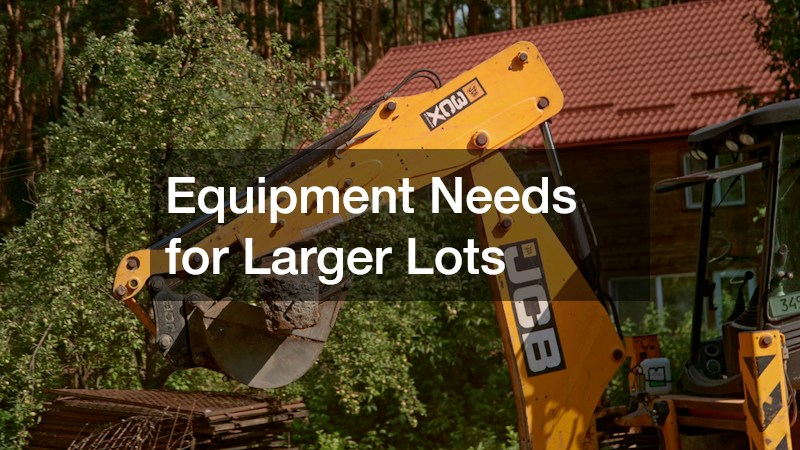
Not every deck project requires heavy machinery, but larger builds on uneven or heavily wooded lots often do. When a crew needs to dig footings quickly across a wide area, many turn to an excavator rental instead of purchasing equipment they’ll only use a few times a year. This cost sometimes gets passed to the homeowner as a separate line item, which can catch people off guard if it wasn’t discussed upfront.
Homeowners managing their own project, rather than hiring a full-service contractor, should ask early whether equipment rental will be necessary. Getting a clear answer before signing a contract helps you avoid a mid-project invoice you didn’t anticipate.
- Ask whether grading equipment is included in the base estimate
- Confirm who is responsible for equipment delivery and pickup fees
- Check if fuel costs are billed separately
- Request a written estimate that itemizes equipment charges
Permit Fees and Inspection Delays
Most municipalities require a permit for any raised deck structure, and fees vary widely depending on square footage, height, and local code requirements. Beyond the permit fee itself, you may need to pay for multiple inspections at different build stages, each of which can delay your timeline if an inspector finds an issue. Skipping this step isn’t a shortcut either, since unpermitted structures can complicate home sales and insurance claims later.
Delays caused by failed inspections often mean paying your crew for additional days on site, which adds labor costs you didn’t originally budget for. It helps to ask your contractor upfront how many inspections are typical for your project size and who handles rescheduling if something needs correction.
- Research your city’s specific permit cost before budgeting
- Ask if your contractor handles permit applications or if you must file them
- Budget extra time for inspection scheduling, which varies by season
- Keep copies of all permit documents for future home sales
Structural Changes That Affect Your Roofline
Some deck designs include a covered section, pergola, or roof extension, and this is where costs frequently balloon. If your plan ties into the existing roof structure, you may need to consult roofing companies to confirm the tie-in won’t compromise your home’s existing waterproofing or shingle warranty. This step is often overlooked until a contractor flags it mid-build, which can stall the project while you sort out the right approach.
A poorly executed roof tie-in can lead to leaks that show up months later, so it’s worth getting a second opinion before construction begins. Homeowners sometimes assume their deck builder can handle this detail alone, but a specialist familiar with flashing and roof penetrations is often the safer choice.
- Ask whether your roof warranty covers new attachments or tie-ins
- Request flashing details in writing before work begins
- Confirm who is liable if a leak develops after installation
- Get a separate inspection of the tie-in point once complete
Metal Roofing Components for Covered Decks
If your deck design includes a covered patio or shade structure, the roofing material you choose affects both cost and long-term durability. Many homeowners opt for roof metal decking over traditional shingles for covered deck structures because it holds up better against wind, rain, and temperature swings. However, the upfront material cost is often higher, and installation requires different fasteners and techniques than a standard home roof.
It’s easy to underestimate how much this single material choice can shift your overall budget. Getting quotes for both metal and asphalt options before finalizing your design helps you compare long-term maintenance costs against the initial price difference.
- Metal panels typically last longer than asphalt shingles in open structures
- Installation labor can run higher due to specialized cutting and fastening
- Color and coating options affect heat absorption on your deck below
- Ask about warranty differences between metal and shingle products
Shade and Sun Protection Add-Ons

Once the deck is built, many homeowners quickly realize they need additional shade to make the space usable during peak afternoon sun. Exterior sun shades are a popular solution because they can be retrofitted onto an existing structure without major construction, but the cost of motorized or retractable versions adds up quickly compared to a simple umbrella. Factoring this into your original budget, rather than treating it as an afterthought, usually saves money in the long run.
Homeowners who skip this planning step often end up purchasing shade solutions twice, first a cheap temporary option and then a more durable upgrade a year later. Thinking through your sun exposure patterns before the deck is finished can help you choose mounting points and structural supports during the original build instead of retrofitting later.
- Measure peak sun exposure hours before choosing shade placement
- Compare manual versus motorized shade systems for long-term value
- Check whether mounting hardware requires structural reinforcement
- Factor in fabric replacement costs over a five to ten year span
Utility Line Conflicts Below the Surface
Digging footings for a new deck sometimes uncovers utility lines, irrigation systems, or drainage pipes that weren’t marked on your property survey. Hitting a line during excavation isn’t just a safety hazard, it can also trigger expensive repair bills if a water or gas line is damaged. Before any digging begins, calling for a utility locate service is a non-negotiable step that many first-time deck owners forget to schedule.
In some cases, a deck project uncovers plumbing issues that have nothing to do with the deck itself, like an old leaking line that’s been slowly damaging your yard. If this happens, you may need plumbing repair work completed before construction can safely continue, which adds both cost and time to your schedule. Calling in the best plumber you can find for the job, rather than whoever is available fastest, can save you from repeat repairs down the line. Catching this early, rather than mid-pour, is always the better outcome for your budget.
- Schedule a utility locate at least a week before digging starts
- Ask your contractor how they handle unexpected utility discoveries
- Budget a contingency fund specifically for underground surprises
- Keep a copy of your property’s utility map on file
Finding Reliable Professionals for Specialty Work

A deck project often requires more than just a carpenter, especially if drainage, roofing, or plumbing issues come up along the way. Taking time to vet roofers with strong local reviews before you need one urgently can save you from rushed decisions during a stressful moment in the build. The same logic applies to plumbers, electricians, and excavation specialists who may need to step in if complications arise.
Word of mouth recommendations from neighbors who recently completed similar projects are often more reliable than online ads alone. It’s worth building a short list of trusted professionals before your project starts, rather than scrambling to find help once a problem appears.
- Ask for references from at least three recent, similar-sized projects
- Confirm licensing and insurance before any specialist starts work
- Get multiple quotes to compare pricing and scope of work
- Save contact information for backup professionals in case of scheduling conflicts
Excavation Specialists for Complex Yards
Yards with heavy clay soil, steep slopes, or extensive tree roots sometimes require more expertise than a general contractor provides. In these situations, homeowners often reach out to excavating companies that specialize in residential lots rather than relying on a deck builder’s standard crew. This added layer of expertise can prevent costly mistakes like improperly compacted soil, which leads to deck settling and uneven boards within just a few years.
While bringing in a specialist adds a line item to your budget, it often pays off by preventing structural problems down the road. Getting an on-site assessment early in the planning process helps you understand whether this additional cost applies to your specific property.
- Ask for a soil assessment before finalizing your deck design
- Request a written scope of work detailing depth and grading plans
- Confirm debris removal and site cleanup are included in the quote
- Compare at least two quotes since pricing varies significantly by region
Seasonal Home System Disruptions
Construction dust, equipment vibration, and temporary utility shutoffs during outdoor construction can sometimes trigger problems with other home systems you weren’t expecting to deal with. A sudden need for furnace repair in the middle of a summer project might seem unrelated, but vibration from heavy equipment or accidental duct disconnection near crawl spaces has caused this exact scenario for some homeowners. It’s an uncommon but real risk worth mentioning to your contractor if your HVAC system is located near the work zone.
Protecting indoor systems during outdoor construction is a simple step that’s often skipped in the planning phase. Asking your contractor to cover or section off vulnerable areas near the foundation can prevent this kind of unrelated but costly disruption, including the kind that leads to unplanned furnace repair bills later on.
- Identify where HVAC lines or ductwork run near your foundation
- Ask your contractor to flag any accidental system damage immediately
- Schedule a post-construction home systems check as a precaution
- Keep your HVAC service contact handy throughout the project
A successful deck project comes down to realistic planning rather than simply picking the lowest bid you receive. By anticipating site prep, permitting, material choices, and the specialists you might need along the way, you can build a budget that actually holds up once construction begins. Take time now to ask detailed questions, get itemized quotes, and set aside a contingency fund for the unexpected. Your future self, relaxing on a finished deck instead of managing a budget crisis, will thank you for the extra homework.